Last updated 2026-07-11
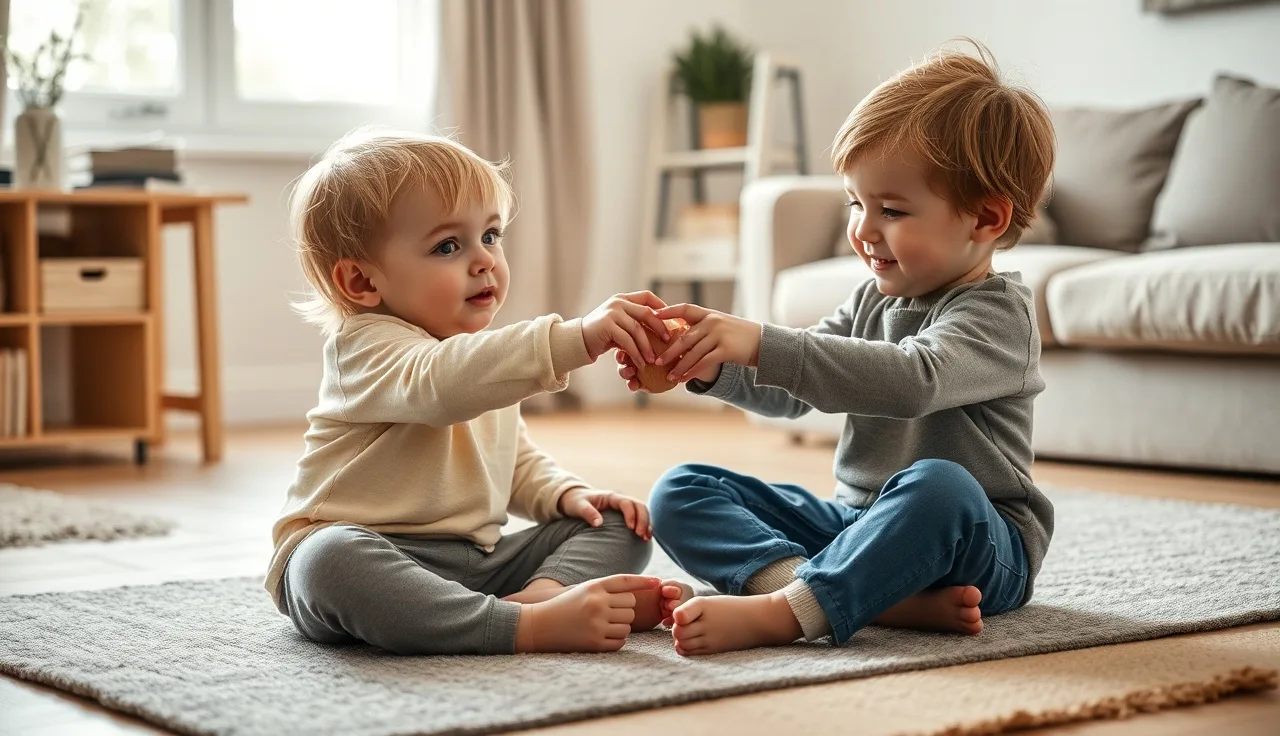
Siblings are one of the most underused speech helpers in the house. Kids with language delays gain faster when practice happens across the day instead of only during formal sessions, and you can train a sibling to be a useful communication partner in about 15 minutes. It comes down to a few habits: model words, pause, follow the child's lead, and skip the correcting.
Why siblings matter more than most parents realize
Most speech therapy runs once or twice a week, 30 to 45 minutes a session [11]. That leaves roughly 160 waking hours a week to you and whoever else lives in your house. Siblings fill a big chunk of those hours, often more than parents do once kids hit school age. That's not a small thing.
The American Speech-Language-Hearing Association ties communication development to a child's natural environment and the people around them most often [1]. Researchers call this naturalistic intervention, and the pattern in the research holds up: kids with language delays gain more vocabulary when practice is folded into everyday routines instead of walled off in clinic time [2].
Siblings aren't a workaround, they're part of the intervention. A little sister watching Saturday cartoons next to your late talker. A big brother asking a real question at dinner and actually waiting for the answer. A kid who's learned not to finish her sibling's sentences. These moments stack up over months.
None of this dumps therapy onto a child. The goal is narrow: stop siblings from accidentally working against progress, and hand them one or two easy habits that make communication more likely to happen.
What this looks like in daily play
It looks like playing. That's the point.
For young kids, roughly ages 3 to 7, the best sibling activities are parallel play with narration, turn-taking games, and pretend play. The sibling's job isn't to quiz or correct, it's to model language and leave room. A sibling might say "I want the red block" while building Legos, which hands their brother or sister a clear, low-pressure template to copy. No drilling, no flashcards.
For older siblings, roughly 8 and up, you can teach a small set of strategies that speech-language pathologists use all day. Four carry over best. Wait time means counting silently to 5 after a question or offer before saying anything else, since kids with language delays often need more processing time than we naturally give [2]. Modeling without demanding means saying "here's the ball" while rolling it over instead of "say ball." Expansion means matching the moment: if the child says "more," the sibling says back "more juice" or "more crackers" without making them repeat it. And following the child's lead means joining whatever the child is already doing instead of steering toward something else.
These four come straight from family-centered early intervention frameworks that licensed SLPs use [3], and a 10-year-old can learn them without much trouble.
If your child uses an AAC device, siblings need one more piece: how to model on the device. It's called aided language stimulation, and it just means the sibling points to or presses symbols on the AAC system while they speak, so the child sees the device used as real communication rather than a chore. Your child's SLP can show the whole family in about 15 minutes [4].
Explaining the goals without making it weird
Keep it honest and age-appropriate. Kids can smell when adults go vague, and vague usually lands as scary.
For a 4 or 5-year-old sibling, try: "Your brother is learning to talk in a different way than you. You can help by waiting for him to answer before you speak." For a 7 to 10-year-old: "The therapist is helping her get words out more easily. One thing you can do at home is not finish her sentences. Just wait. That actually helps her brain practice." For a teenager, be direct: their sibling's brain processes language differently, silence is productive rather than awkward, and what they say in ordinary conversation matters more than any clinic session. Skip the "your job is to help" framing that sounds like a chore assignment. Say "you're actually good at this" or "you two already do this sometimes and it works." Siblings respond to specificity and real acknowledgment, not tasks.
One thing to cut entirely: telling a sibling to correct errors. Correction breeds avoidance, and a child corrected often enough learns that talking is risky. Modeling the right form beats correcting it, every time [3].
How young can a sibling start?
Younger than most parents guess. A 3-year-old can learn to hand over a toy and wait, which is a real communication opportunity and needs zero explanation, just narration: "You gave her the truck. Now wait and see what she does." A 5-year-old can handle "wait before you answer for him" with one sentence and a quick practice run. By age 8, most kids can carry the full four-strategy set above if you explain it plainly and let them practice on you first. Role-playing with a parent for 5 minutes, with the parent acting as the child with a delay, is a training method SLPs use in family coaching [3].
There's a ceiling too. Teenagers burn out if they feel like caregivers, so keep expectations proportionate. One sibling who uses wait time every day beats three siblings who feel resentful about it. Depth over breadth.
Games that double as practice
Board games with requesting built in work well: Zingo, Go Fish, Hedbanz, and Cariboo all push the child to request items, name pictures, or take turns with language. The sibling becomes a communication partner just by playing, no in-the-moment coaching required.
For toddlers and preschoolers, bubbles are still one of the most recommended tools, for good reason. The child has to ask for more, and the pause before blowing makes a natural opening. The sibling holds the wand and waits. Simple.
Working on specific sounds? Ask your SLP for a list of 10 to 15 target words. The sibling can slide those words into pretend play or casual talk. "I put the snake in the soup" isn't a weird thing to say during kitchen pretend play, and it lands an /s/ blend with no pressure.
For families using early intervention strategies, routines-based play (bath time, snack time, car rides) gives the most repetitions per day, and a sibling already in those routines is in the best spot to support language with no extra structure.
If your child has childhood apraxia of speech, repetition in play helps a lot, but the sibling should model rather than ask the child to repeat. Apraxia is a motor planning problem, not a missing-words problem, so forced repetition can crank up frustration [5].
The habits that quietly slow things down
Three patterns show up over and over, and all three are instinctive, which is exactly why they need naming.
First: answering for their sibling. A parent asks the child with a delay "do you want milk or juice?" and the sibling jumps in with "he wants juice." The opening vanishes and the child never had to try. This happens dozens of times a day in many homes, and it isn't malicious, it's just fast. Teaching siblings to catch this one habit and hold back is the single highest-payoff change you can make.
Second: dropping into baby talk. Siblings sometimes shift to very short, slow, exaggerated speech with a brother or sister who has a delay. Some simplification is fine, especially for very young kids, but the research on language input keeps pointing to the same target: aim slightly above the child's current level, what the literature calls scaffolded input [2]. Talking at a developmentally appropriate level, not a stripped-down one, gives the child more to learn from.
Third: too much questioning. "What's that? What color is it? What do you want?" Rapid-fire questions pile on pressure and tend to shut communication down instead of opening it up. Curious siblings do this a lot. Swapping questions for comments, "I see a red truck" instead of "what color is that truck?", drops the pressure right away [3].
How do you keep siblings from feeling burdened or resentful?
This matters as much as any technique you'll try.
Research on siblings of children with disabilities cuts both ways: these kids often develop real empathy and advocacy skills, but they also run a higher risk of feeling overlooked, over-responsible, or anxious about their sibling's future [6]. A 2019 review in the Journal of Developmental and Behavioral Pediatrics found that sibling relationship quality tracked closely with how much information siblings got and how included they felt in family decisions [6].
A few things help in practice. Tell siblings what's happening in plain words. Celebrate progress by name, not in the abstract. Give siblings time with you that has nothing to do with therapy or their brother or sister's needs.
Keep any role genuinely light. One strategy, folded naturally into play they already choose, works better than a formal job or a checklist. If a sibling starts monitoring or correcting on their own, that's a sign they've taken on too much. Pull that back.
Say the hard part out loud when it's hard. "I know it's frustrating when he doesn't answer you" is more honest than "just be patient," and siblings who feel seen stay engaged over months and years, which is the timeframe that actually counts.
If you use an app-based practice tool at home, like Little Words, having a sibling sit alongside during a session can make it feel like shared screen time instead of therapy. A small shift in framing, but it works.
What should you ask the speech-language pathologist about sibling involvement?
Most SLPs welcome this conversation, and a few specific questions make it productive.
Ask for the child's current targets in plain language: what are the two or three things you're working on right now, and what would a helpful sibling response look like? A good SLP can turn goals into sibling-friendly instructions in a sentence or two.
Ask whether the sibling can sit in on one session, in person or by video, just to watch. Many clinicians push for this because it drives carry-over at home. Twenty minutes of watching the SLP model language or use wait time teaches a sibling more than any speech you could give at the kitchen table.
If your child uses AAC, ask about it specifically. Siblings who don't know how to interact with an AAC system tend to ignore it or treat it like a gadget rather than a voice, so it helps if the SLP demonstrates aided language stimulation with the sibling in the room [4].
Children getting early intervention under IDEA Part C (birth to 3) are legally entitled to services delivered in natural environments with families as the primary implementers [7]. That framework covers the whole family, not just parents, which gives you grounds to ask for sibling coaching as part of the service plan.
Families doing online speech therapy often find it easier to have a sibling pop into a video session than to arrange an in-person visit. Worth trying.
Does the type of speech delay change how siblings should be involved?
Yes, quite a bit.
For a late talker with no other diagnosis, it's straightforward: model language, wait, follow the child's lead. Comprehension is usually intact, so siblings can have real back-and-forth using those strategies.
For a child with autism spectrum disorder, sibling interaction may need to bend around sensory needs and a preference for predictable routines. Some autistic kids actually communicate more freely with siblings than with adults, which is a real advantage, but a sibling who crowds, interrupts, or introduces too much novelty can shut things down fast. The SLP can help you pin down what calm partner behavior looks like for your child.
For a child with apraxia of speech, the sibling's job is to model, wait, and never pressure repetition. The child already knows what they want to say; motor planning is the barrier. A sibling who treats an imperfect word attempt as if it were clear speech gives the child real confidence to keep trying.
For a child who uses echolalia, siblings often get confused because the child may repeat what was just said instead of building a new response. It helps for siblings to know that echolalia can be communicative rather than random, and that responding to the intent behind an echo, rather than the exact words, is usually the better move. Your SLP can walk the family through this.
For a child who relies on an AAC device, siblings need device-specific training more than general strategy coaching.
Building a sibling routine that actually sticks
Pin the practice to a set time of day. "During Tuesday and Thursday dinners, we try the wait-time strategy" lasts longer than "whenever you're playing together."
Pick one routine the siblings already share, ideally one with natural back-and-forth built in: a regular game, a car ride, bath time, a shared TV show. Anchor the strategy to that one routine for three or four weeks before adding anything else, and keep it short. The sibling should be doing something they'd do anyway, just slightly differently. The moment it feels like extra work, it dies.
Visible progress keeps siblings motivated. If your SLP tracks specific numbers (spontaneous words, turn-taking starts, AAC activations per session), share the trajectory in plain language: "she used 12 words at dinner last month, this month it was 19." A sibling who can point to a real number they helped move keeps going.
Let the sibling name the routine themselves, whether that's "the waiting game" or "our question rule" or something else entirely. Ownership is what makes it last.
What the research actually says about sibling-mediated support
The evidence base here is thinner than for parent-mediated work, but it's real, and it points one direction.
A 2013 article in Topics in Language Disorders reviewed sibling-mediated interventions for autistic children and found that siblings who got explicit strategy training created more communication opportunities than untrained siblings, with gains that held up across settings [8]. The effects were modest but steady.
A 2020 review in Autism Research and Treatment covered peer-mediated interventions, a related category that includes siblings, and found positive outcomes for social communication in autistic children, with effect sizes ranging from small to moderate depending on how much training the peer received [9].
The honest caveat is that most sibling-specific studies use small samples and short follow-up periods; nobody has solid long-term data on whether sibling involvement changes outcomes at age 10 or 15. The closest honest claim is that naturalistic language input from familiar communication partners is backed by a much larger body of research [2], and siblings are exactly that kind of partner.
The American Academy of Pediatrics recommends that intervention for speech and language delays be family-centered and built into daily routines [10]. Siblings are part of that family context, so including them fits current evidence-based practice even while the sibling-specific research keeps growing.
Frequently asked questions
At what age can a sibling start helping with speech practice at home?
Even a 3-year-old can pitch in, in small ways, like handing over a toy and then waiting. By age 5, most siblings can pick up one strategy, such as wait time, if you explain it briefly. By 8, a sibling can usually manage the core strategies SLPs teach parents in family coaching: modeling, expansion, and following the child's lead.
How do I explain speech therapy to a sibling without making them worried?
Keep it concrete and matched to their age. For young kids, something like "Your sister is learning to talk in a different way, and you can help by waiting for her to answer" works well. Older kids can handle more: their sibling's brain processes language differently, and staying quiet actually helps. Skip the vague reassurances. Specific explanations calm kids down faster than general ones do.
Can siblings actually make a difference in speech progress, or is this overstated?
The research is modest but consistent. A 2013 review in Topics in Language Disorders found that siblings trained in communication strategies created measurably more communication opportunities than untrained siblings did. More broadly, natural language input from familiar people is one of the strongest predictors of language gains in kids with delays, and siblings supply a lot of that input just by being around.
What's the single most helpful thing a sibling can do during play?
Wait. Giving a child with a delay at least 5 seconds to respond before jumping back in is the highest-payoff change most siblings can make. Kids with language delays often need more processing time than feels natural to give them, and most siblings fill silence on instinct. Teaching them to sit in that pause is simple to explain and pays off right away.
Should I tell the speech therapist that I want to involve siblings?
Yes, and ask for help doing it well. Ask for current targets translated into instructions a sibling can actually follow, whether the sibling can sit in on a session, and what a helpful response looks like during ordinary play. If your child is under 3 and receiving early intervention under IDEA Part C, family-implemented practice in natural environments is written into the law.
What games are best for sibling speech practice at home?
Games that build in requesting work best: Zingo, Go Fish, Hedbanz, and Cariboo all push kids to name things or ask for them. For toddlers, bubbles are great because the sibling holds the wand and waits, which creates a natural opening to request more. If your child has specific sound targets, ask the SLP for 10 to 15 target words and work them into pretend play during routines the siblings already do together.
How do I stop a sibling from answering for the child with a delay?
Name it directly, without making it a blame thing: "When you answer before he gets a chance, his brain misses a turn to practice. Can you try counting to five in your head first?" Try role-playing it, with you playing the child with a delay, so the sibling actually feels what that pause is like. This one change alone can add dozens of communication chances to a day.
My sibling is a teenager. Is it too late for them to be helpful, or will they just resist?
Teenagers often turn out to be excellent communication partners once they understand the reasoning. Explain the science briefly: wait time and modeling matter more than formal sessions because they add up over hours of everyday contact. Don't hand it to them as a duty, frame it as something they're probably already doing a bit of. Teenagers respond better to being treated as capable than to being given homework.
How do I keep the sibling from burning out or feeling like a caregiver?
Keep the role genuinely light: one strategy, folded into one routine they already share with their sibling. Don't add more until that first habit feels automatic. And make sure the sibling still gets time with you that has nothing to do with their brother or sister's needs. A 2019 review in the Journal of Developmental and Behavioral Pediatrics found sibling wellbeing tracked with feeling included and informed, not with how much they actually helped.
Does sibling involvement look different for a child with autism versus a late talker?
Yes. For a late talker with intact comprehension, most communication partner strategies transfer over directly. For an autistic child, siblings may need to adjust for sensory sensitivities and a preference for predictability, and it helps to know that some kids talk more freely with siblings than with adults. For a child with apraxia, siblings should model rather than pressure repetition. The SLP will calibrate the approach to your child's particular profile.
My child uses an AAC device. How should the sibling interact with it?
Siblings need brief, device-specific training rather than general strategy coaching. The key technique is aided language stimulation: the sibling points to or activates symbols on the AAC system while talking, which models the device as real communication. An SLP can usually teach this in about 15 minutes. A sibling who ignores the device, even without meaning to, sends the message that AAC isn't a real voice, so this piece matters.
What should I do if the sibling starts correcting their brother or sister's speech errors?
Redirect it gently and right away. Correction teaches a child that talking is risky, and kids who feel corrected tend to talk less. Show the sibling how to expand instead: if the child says "baw," the sibling just says "ball" back in context, no repetition demanded. It models the right form without any pressure, and it's exactly what SLPs do in sessions.
How do I know if sibling involvement is actually helping?
Track a few simple numbers with your SLP: spontaneous words at dinner, communication turns during a specific game, AAC activations per session. Share those numbers with the sibling in plain terms, since seeing real progress is one of the strongest reasons kids keep doing something. If the numbers stay flat or drop over several weeks, talk to the SLP about adjusting the approach before deciding sibling involvement isn't working.
Can a sibling participate in an online speech therapy session?
Yes, and it's often easier to arrange than getting everyone to an in-person clinic. Just let the SLP know beforehand so they can plan around it. Even 10 minutes of watching how the clinician uses wait time or models language teaches a sibling more than any explanation you could give at home. For families already doing online therapy, this is one of the most underused opportunities sitting right there.
Sources
- American Speech-Language-Hearing Association (ASHA), Family-Centered Practice: Communication development is shaped by the child's natural environment and the people who interact with them most frequently; ASHA advocates family-centered practice
- Journal of Speech, Language, and Hearing Research (JSLHR), Naturalistic Developmental Behavioral Interventions overview: Children with language delays showed significantly greater vocabulary gains when intervention was embedded in everyday routines; wait time and scaffolded input above current level support language growth
- ASHA, Late Language Emergence Practice Portal: Modeling without demanding, expansion, following the child's lead, and wait time are core family-centered strategies used in SLP coaching; correction increases communication avoidance
- ASHA, Augmentative and Alternative Communication (AAC) Practice Portal: Aided language stimulation involves communication partners pointing to or activating AAC symbols while speaking; SLPs can teach this technique to families in brief training
- Apraxia Kids (Childhood Apraxia of Speech Association of North America): Childhood apraxia of speech involves motor planning, not vocabulary absence; forced repetition can increase frustration; modeling is preferred over elicited imitation
- U.S. Department of Education, IDEA Part C: IDEA Part C requires early intervention services for children birth to 3 be delivered in natural environments with families as primary implementers
- Autism Research and Treatment, peer-mediated intervention review (2020): Peer-mediated interventions produced positive outcomes for social communication in children with ASD, with effect sizes ranging from small to moderate depending on training received by the peer
- American Academy of Pediatrics (AAP), Early Childhood care guidance: The AAP recommends that intervention for children with speech and language delays be family-centered and embedded in daily routines
- ASHA, Speech and Language Disorders in Children (public information): Most speech therapy is delivered once or twice per week in 30-45 minute sessions, leaving the majority of waking hours outside formal treatment