The W sound at a glance
Usually develops: around age 2 to 3.
How it is made: Round the lips into a small circle, then glide into the next sound.
Words to practice: we, water, and window.
Short answer
It can be normal for 4 year old not to say the W sound clearly. Speech sounds emerge over time, and some sounds are later-developing. The bigger question is whether your child is building communication overall.
Look beyond one sound
Notice how your child communicates wants, refuses, imitates sounds, understands simple directions, plays, gestures, and handles frustration. A single missing sound is less concerning than a broad pattern of limited communication or loss of skills.
How to support it gently
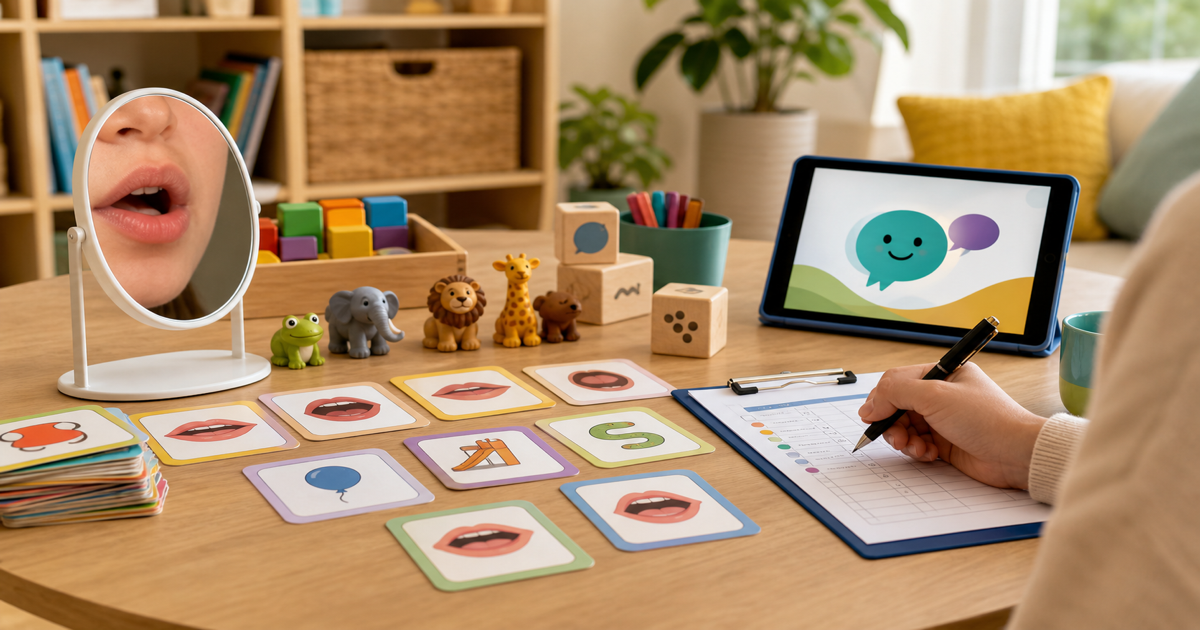
Model the W sound inside real words your child cares about. Keep your face visible, slow the word slightly, and accept approximations. Do not turn the day into a sound test.
When to get help
If your child is hard to understand, has very few words, loses words, seems not to hear well, or becomes distressed by speech attempts, ask your pediatrician or an SLP for guidance.
Related Little Words guides
- Speech Activities by AgeTopic hub
- W SoundBrowse all 25 articles
- Speech Help for 4-Year-OldsBrowse all 63 articles
- Is It Normal for a 12-month-old Not to Say the W Sound?More W sound practice
- Is It Normal for a 15-month-old Not to Say the W Sound?More W sound practice
- Is It Normal for a 18-month-old Not to Say the W Sound?More W sound practice
- Is It Normal for a 2.5-year-old Not to Say the W Sound?More W sound practice
- Is It Normal for a 2-year-old Not to Say the W Sound?More W sound practice
- Is It Normal for a 3.5-year-old Not to Say the W Sound?More W sound practice
- Is It Normal for a 3-year-old Not to Say the W Sound?More W sound practice
- Is It Normal for a 5-year-old Not to Say the W Sound?More W sound practice