Speech Activities by Sound/Skill

vocalic R Sound Practice At Bedtime: 5 Easy Games

By the Little Words Editorial Team · Editorial standards · Updated June 2026

A low-pressure way to practice the vocalic R sound at bedtime. Pick one book and pause right before a car on each page so your child fills it in.
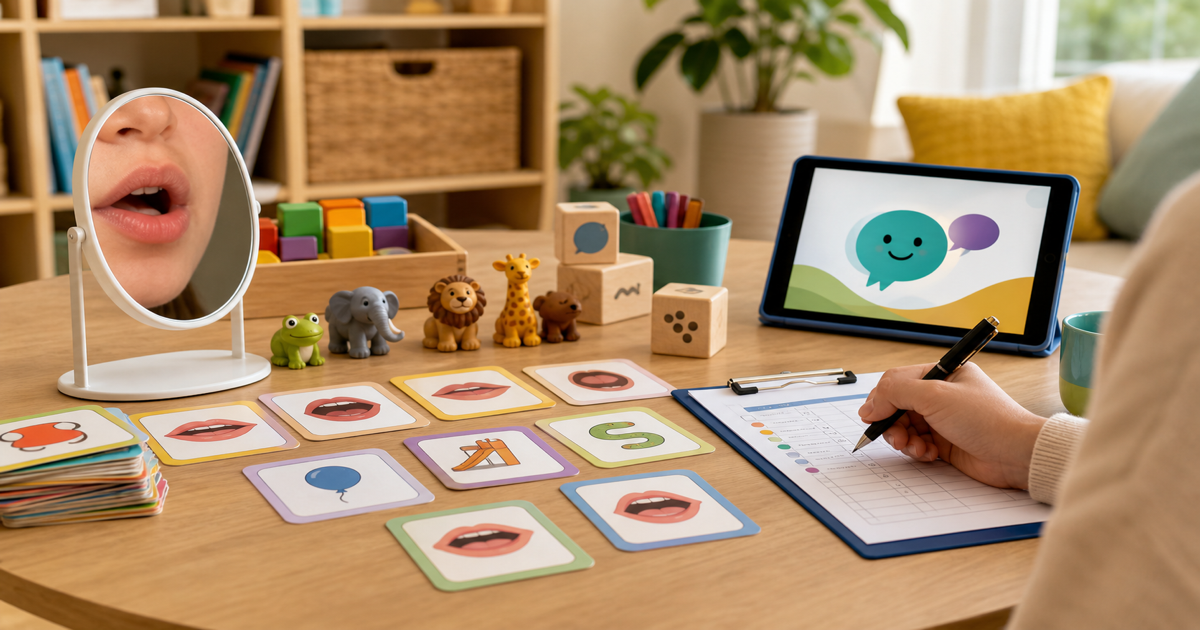
Bedtime reading is a great place to sneak in vocalic R practice. Pick one book, and every time a car shows up in the pictures, pause right before you say the word so your child has a chance to fill it in. R-colored vowels like ar, er, and or come from pulling the tongue back, and words like car, bird, and star give you plenty of natural chances to model that sound clearly. Keep each turn under a minute and stop while it still feels like a game, not a drill. The same idea works for any daily routine, not just books. Rather than asking for the same perfect sound over and over, just model it well, give your child a real reason to want to say it, and move on before the moment turns into work. A silly sound hunt, letting your child pick between two R-heavy words, pausing right before the fun part of a game, playing with whisper-versus-loud versions of a word, or building in one pretend-play moment where the R word actually matters, all of these make good one-minute turns. Progress doesn't have to mean a crisp, textbook R. Noticing the sound, watching your mouth as you say it, attempting something close, using the word during play, or simply sitting through one more repetition than they did yesterday all count. For a lot of kids, especially neurodivergent kids, staying regulated and willing to participate matters more right now than nailing the articulation. It's worth checking in with a speech-language pathologist if the R sound is still giving trouble well past the age most kids pick it up, if your child starts avoiding talking altogether, if people outside the family struggle to understand them, or if practicing the sound is causing real stress. An SLP can figure out whether what's going on is about articulation, phonology, motor planning, hearing, or language more broadly, something that's hard to untangle on your own. If you want more structured ideas, Little Words has a full hub of speech activities organized by age, along with deeper collections on the vocalic R sound and on working sound practice into everyday routines. Little Words is meant as educational support for practicing at home. It isn't a medical device, an AAC replacement, or a stand-in for a licensed speech-language pathologist, pediatrician, early intervention program, school team, or formal developmental evaluation.
Practicing tricky sounds is easier when it feels like play.

Little Words is a voice-first app where your child talks with Buddy and works on sounds through games, as many happy repetitions as they want. It is free to download.

See your child's planor download on the App Store