Speech Activities by Age

Snack-Time Speech Practice: The Easiest Daily Win

If you searched for snack time speech therapy, this page gives you the parent-level answer: what the concern usually means, what.
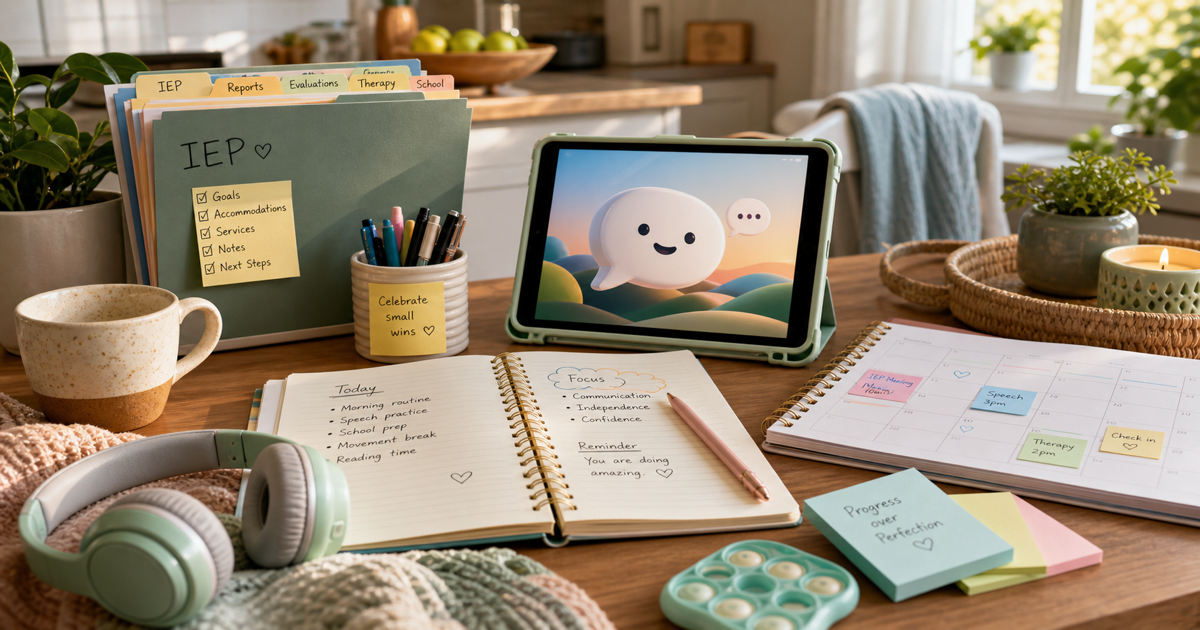
Snack time is actually a great place to work on communication, because your child is sitting still (usually) and already motivated. If you've been searching for ways to turn it into speech practice, here's the short version: stop trying to make your child "talk right now." Instead, notice what they're already communicating and figure out what small nudge would help them take the next step. That shift matters because it changes what you're watching for. Rather than asking how to get more words out of your child, pay attention to what they're already doing, whether that's reaching for the cracker box, pointing, using a sign, trying a sound, or pressing an AAC button, and think about what kind of modeling or access would make the next attempt a little easier. This gives you better information if you end up talking to a speech-language pathologist, and it keeps snack time from turning into a test your child dreads. Don't judge things by one rough afternoon. Look across several snack times and notice the fuller picture: gestures, imitation, response to their name, frustration levels, any scripts they repeat, whether they understand more than they can say. A pattern that shows up across days tells you a lot more than a single sticky moment. Pick the routine you already do daily, since snack time works well precisely because it repeats. Model one useful word, phrase, sign, or AAC button right in that routine, then pause long enough to actually let your child respond, in whatever form that takes. A grunt, a point, a mispronounced word, a tap on a device: all of that counts as communication and deserves a response. And if the moment starts sliding into a power struggle, let it go rather than pushing through. A few concrete techniques worth knowing: pause-and-wait, offering a choice between two items, prompting a simple request like "more," using containers your child can't open alone (so they have to ask), and other small "communication temptations" that create a natural reason to communicate. If snack time struggles are just one piece of a bigger pattern, don't wait to ask for help. You can request a hearing check, an early intervention evaluation, a private SLP evaluation, a school-based evaluation, or a developmental assessment. Getting ahead of it isn't overreacting, it just means your child gets access to support sooner rather than later. For more along these lines, there's a guide to quick practice for toddlers who won't sit still, ideas for turning bath time into speech practice, a list of cause-and-effect toys that get kids talking, a year-long plan for preschool language activities, a piece on why pretend play matters so much for speech, a set of activities for 2-year-olds that don't feel like therapy, a starting point for nonverbal kids, and at-home activities for 3-year-olds, plus the wider parent guides collection if you want to keep browsing. Little Words is meant to support home practice, not to replace a licensed speech-language pathologist, pediatrician, early intervention program, school team, or developmental evaluation, and it isn't a medical device or AAC substitute.
Little Words is a talk-with-Buddy app built for kids like yours.

Buddy is a voice-first speech companion your child actually talks to, made for late talkers and neurodivergent kids. It is free to download and takes 30 seconds to try.

See what Buddy can door download on the App Store