Twenty words built on the ar sound, each one drawn, spoken out loud, and ready to practice at word, phrase, or sentence level. Tap play and go.
Free in your browser · works on phones and tablets · no account needed
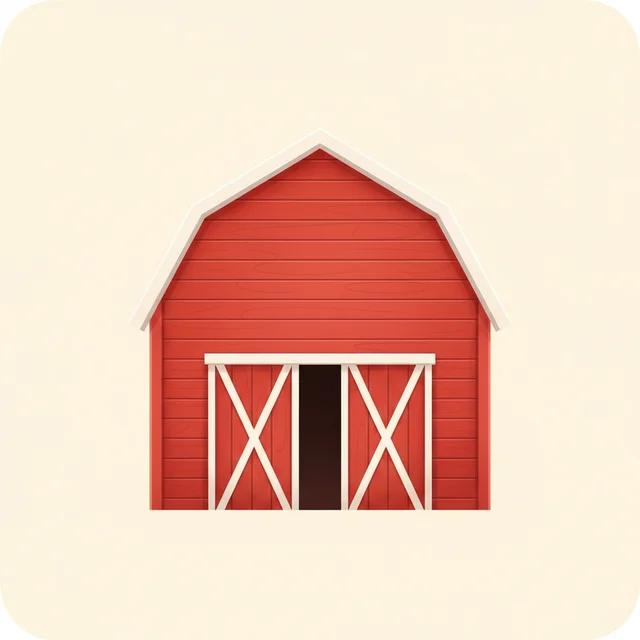
These cards practice vocalic R in the ar family, where the tongue has to pull back and hold while the ah is still sounding, so barn stays barn instead of flattening into "bahn". Tap any card to open the full player; every card speaks its word out loud.
The level dial rewrites every card live; the same picture grows with your child from single words to full sentences. Here’s card one:
Word position matters in speech practice. Use the start-and-middle group when AR is followed by another sound. Use the final group when AR finishes the word. An SLP can help choose the context that fits a child's goals.
For final AR practice, open the R sound at the end deck and choose the AR words. The main AR deck above keeps its existing twenty start-and-middle targets together.
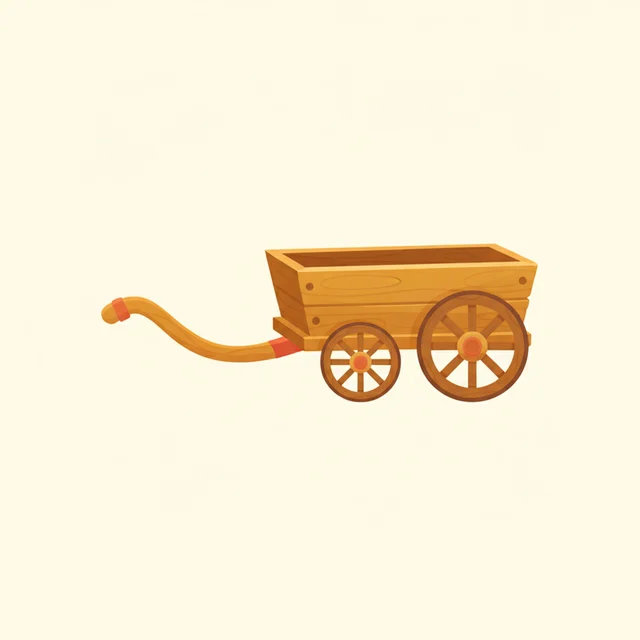
Parent mode picks five words for today; barn, card, cart, yarn, party hat; so a session can be two minutes on the couch, not a curriculum. Every card comes with a plain-language prompt like this one:
“Open your mouth for the ah, then pull your tongue back for the r: ar… barn. Then ask: Where do the cows sleep at night?”
Working on this in speech sessions? The player also has a clinician side: draw on any card, jot a note, and use record-and-playback for listen-then-say practice. See the SLP tour →
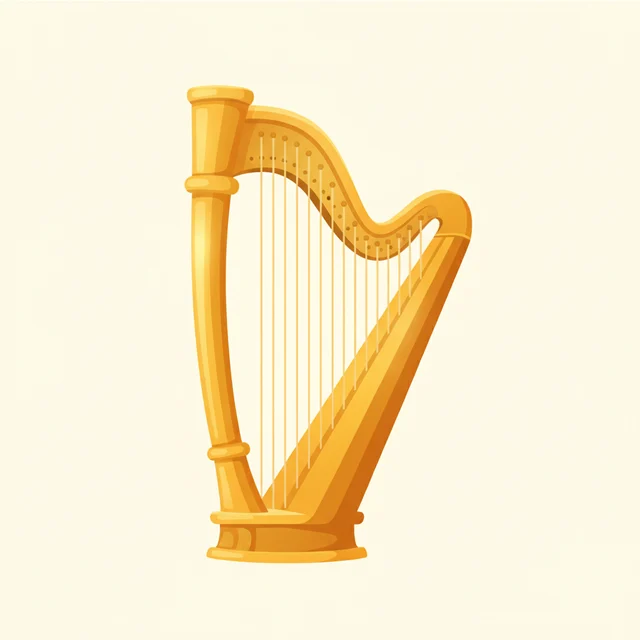
Words that carry the r-controlled vowel in car, like barn, yarn, harp, market and marshmallow. This free deck gives you 20 of them as talking flashcards: every card shows a picture, says its word out loud, and can grow the word into a phrase or full sentence.
The same AR sound can feel different at the start, middle or end of a word. Grouping targets by position lets an SLP or caregiver choose a smaller, more consistent practice set instead of mixing every context together.
Yes. All 20 cards, the audio, the level dial, and record-and-playback are free in your browser with no login, no download, and no locked cards.
Nowhere. Recordings play back on your device only; they are never uploaded or saved, and they disappear when you close the page.
No. Little Words is a practice tool for home and for sessions. If you have concerns about your child’s speech, a licensed speech-language pathologist can evaluate and guide you; these cards are a way to practice between conversations, not a diagnosis or a treatment plan.