
Say & Play: language that does something
Twenty short routines turn predictable language into meaningful play. Children open, feed, clean, build, sort, move, greet, choose, and change the scene. Buddy models useful language, then makes room for a sound, gesture, AAC selection, word, sentence, or quiet shared turn.
Speech is welcomed and never required or scored. Try one routine as your free activity. A membership or eligible free trial includes the full library and Buddy in the app.
Speech sound play
Optional sound and word practice inside a real mini-story. An SLP or caregiver chooses whether a sound target is appropriate.
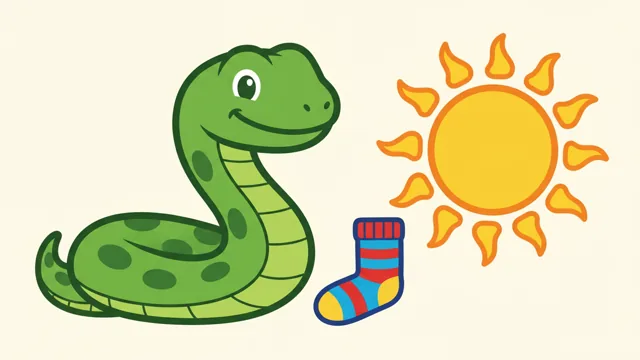 Say & Play
Snake Says Sss
S sound (word start)
Sustained /s/ and initial /s/ words selected by an SLP or caregiver
 Say & Play
Rocket Goes Rrr
R sound (word start)
Initial /r/ words selected by an SLP or caregiver
 Say & Play
La La Lion
L sound (word start)
Initial /l/ words selected by an SLP or caregiver
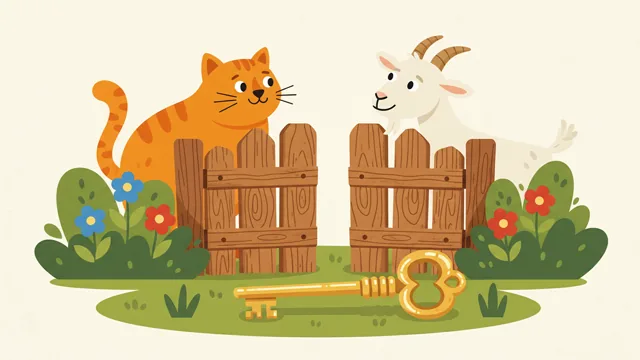 Say & Play
Cat and Goat
K and G sounds (back of the mouth)
Initial /k/ and /g/ words selected by an SLP or caregiver
 Say & Play
Fish, Fan and Van
F and V sounds (lip and teeth)
Initial /f/ and /v/ words selected by an SLP or caregiver
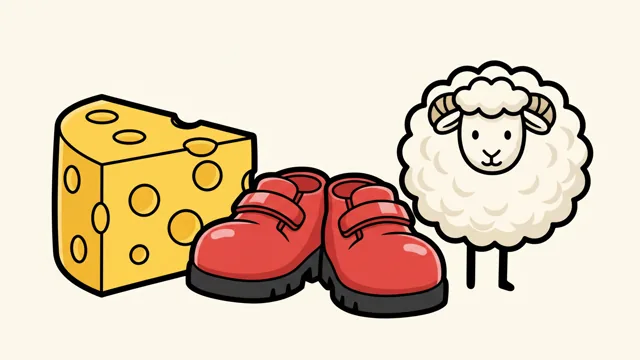 Say & Play
Shoes and Cheese
SH and CH sounds
Initial /sh/ and /ch/ words selected by an SLP or caregiver
 Say & Play
Ball, Pie and Moon
B, P and M sounds (both lips)
Early bilabial /b/, /p/, and /m/ words selected by an SLP or caregiver
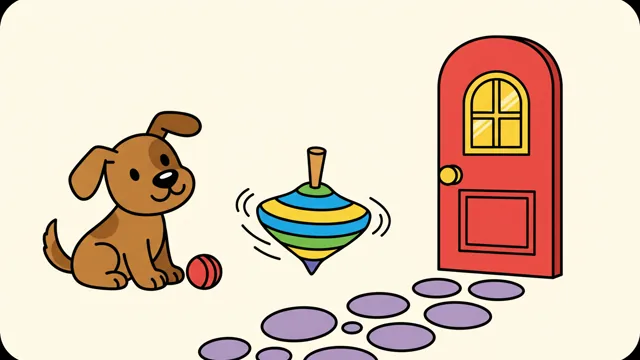 Say & Play
Top, Dog and Nose
T, D and N sounds (tongue tip)
Initial /t/, /d/, and /n/ words selected by an SLP or caregiver
Everyday routines
Functional words and small sentences arrive inside bathing, bedtime, snack, greeting, and clean-up actions.
 Say & Play
Hello Buddy, Hello You
Greeting language
Greeting, responding to a greeting, and choosing a social action
 Say & Play
Time to Clean Up
Daily routine · tidying
Functional routine language, following directions, and all done
 Say & Play
Splish Splash Bath Time
Daily routine · bath
Bath routine words, action words, and simple sequencing
 Say & Play
Night Night, Buddy
Daily routine · bedtime
Bedtime routine language, sequencing, and gentle social phrases
 Say & Play
Yum Yum, Time to Eat
Daily routine · mealtime
Requesting, choosing, food words, and more/all done
Early language concepts
Animals, weather, color, counting, and body words change a clear scene instead of becoming a test.
 Say & Play
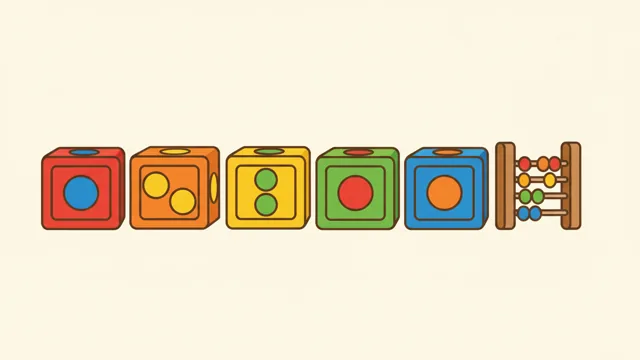
Colors All Around
Early concept · colors
Color words, matching, commenting, and noun phrase expansion
 Say & Play
Count With Buddy
Early concept · counting
Small-number concepts, one-to-one counting, and quantity words
 Say & Play
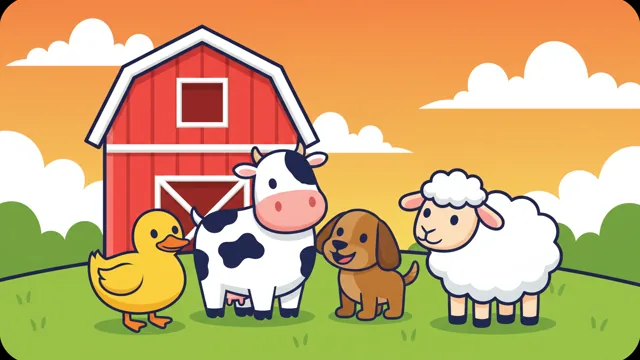
Animals Say Hello
Early language · animals
Animal sounds, animal names, greetings, and shared attention
 Say & Play
What's the Weather?
Early concept · weather
Weather words, commenting, choosing, and simple sentence expansion
 Say & Play
Head to Toes
Early concept · body parts
Body-part words, imitation, and one-step action directions
What makes these communication routines
The goal chooses the mechanic
Weather changes through weather choices, clean-up happens by putting things home, and greetings bring friends into the scene. One template is not forced onto every target.
More than one way to communicate
A child can tap, drag, point, gesture, use AAC, approximate, speak, or take a quiet shared turn. The longest sentence is never the price of admission.
Buddy is a play partner
Buddy comments, models, waits, and reacts to what happens. The routines avoid repeated quiz questions and generic praise.
Language can expand
Adults can choose a short or fuller model. Examples show possible communication levels without implying that chronological age determines language level.
Natural consequences
The snake reaches shade, the room becomes tidy, the customer receives an order, or the friends finish a shared build. Stars are not used when the action itself can be rewarding.
No speech score
There is no pronunciation score, harsh failure state, or required voice recognition. These are practice experiences, not assessments.
Questions families and SLPs ask
Are these songs or chants?
No. They are short interactive speech and language routines. Some preserve predictable repeated language, but rhythm and rhyme are not required.
Does my child need to talk?
No. Speech can be modeled and invited, while tapping, dragging, pointing, gesture, AAC, approximations, and shared attention remain valid ways to participate.
Which routine should we try first?
Choose a routine that matches the child’s communication goal or a familiar daily activity. Friendly starting points include Animals Say Hello, Hello Buddy Hello You, My Turn Your Turn, and Time to Clean Up. Choose one for your free activity.
Does Little Words assess speech?
No. The routines do not diagnose, score pronunciation, or replace individualized evaluation or treatment from a qualified speech-language pathologist.
How was this content reviewed?
The redesign applies detailed review notes from the Little Words SLP partner. Little Words Editorial authors and checks the interaction, language, access behavior, media, and page copy. See the editorial standards for methods and limits.
Communication together
Requesting, greeting, taking turns, accepting, declining, and thanking happen between playful partners.
Please and Thank You
Social language · politeness
Functional requesting, accepting, declining, please, and thank you
4 actionssocialspeech optionalMy Turn, Your Turn
Social language · turn-taking
Turn-taking language, waiting, giving, and requesting a turn
4 actionsturnsspeech optional