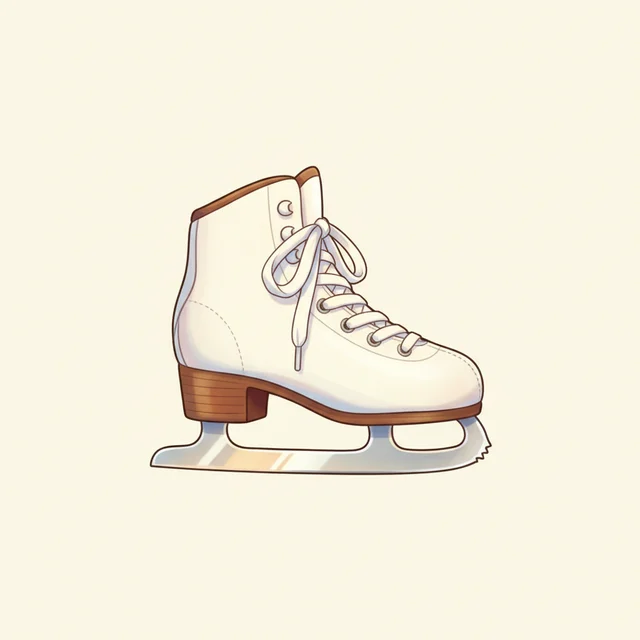
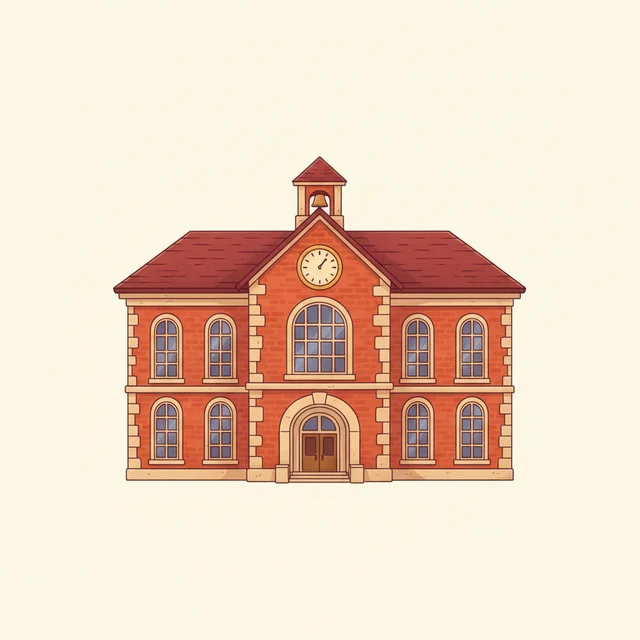
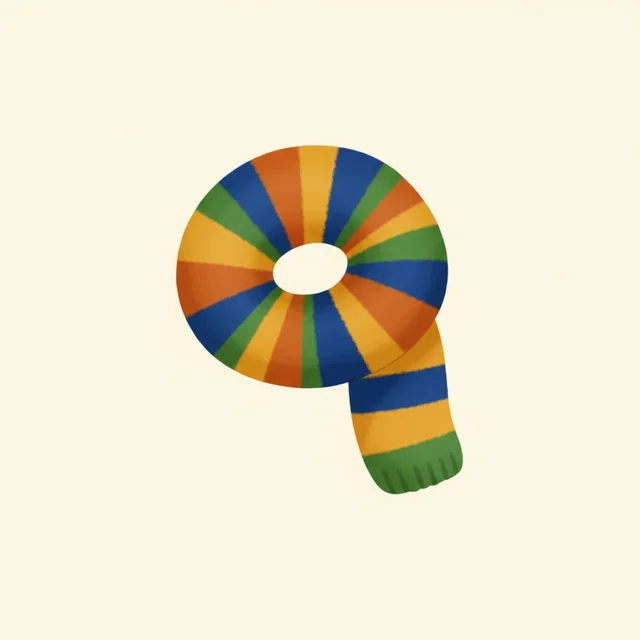
Twenty words that start with the s-k blend; each one drawn, spoken out loud, and ready to practice at word, phrase, or sentence level. Tap play and go.
Free in your browser · works on phones and tablets · no account needed
These cards practice the SK cluster at the beginning of words, where the s and the k have to run together with no vowel in between; s-k-sky, not "suh-ky". The same blend is spelled sk in skunk and sc in scarf, so listen for the sound rather than the letters. Tap any card to open the full player; every card speaks its word out loud.
The level dial rewrites every card live; the same picture grows with your child from single words to full sentences. Here’s card one:
Parent mode picks five words for today; sky, skunk, skirt, scarf, scooter; so a session can be two minutes on the couch, not a curriculum. Every card comes with a plain-language prompt like this one:
“Hold the sss and click straight into the kuh, no vowel in between: s-k… sky. Then ask: Where do the clouds float?”
Working on this in speech sessions? The player also has a clinician side: draw on any card, jot a note, and use record-and-playback for listen-then-say practice. See the SLP tour →
Words that begin with the two-consonant SK cluster; like sky, skunk, school, scarf, scooter. This free deck gives you 20 of them as talking flashcards: every card shows a picture, says its word out loud, and can grow the word into a phrase or full sentence.
Children often simplify clusters; sky becomes "ky" and skunk becomes "kunk"; even after single S is easy. Blend decks give the two sounds together so the child practises moving from s straight into k with no vowel wedged in the middle. Most children have S-blends by about age five.
Yes. All 20 cards, the audio, the level dial, and record-and-playback are free in your browser with no login, no download, and no locked cards.
Nowhere. Recordings play back on your device only; they are never uploaded or saved, and they disappear when you close the page.
No. Little Words is a practice tool for home and for sessions. If you have concerns about your child’s speech, a licensed speech-language pathologist can evaluate and guide you; these cards are a way to practice between conversations, not a diagnosis or a treatment plan.